Static Ads: 30 Facebook & Instagram Examples That Ran
Checked 25 Oct 2026 · 30 ads from 29 brands, from Meta's Ad Library · How we pick ads
With no sequence to build on, a still has to land the product, the reason to care and the deal in one glance. The 30 ads here settle it by letting one thing lead. The product carries the frame in 30% of them and the offer is the headline in 23%, while only 10% print proof on the picture, which a still has to do because it cannot show a result happening.
- 30%let the product carry the frame
- 23%make the offer the headline
- 10%print proof on the picture
- 104days, the median run when we checked
One frame, one lead: product, offer or a real moment
Grouped by the job each ad does. Swipe a row, and tap “Why it works” for our breakdown.
The product carries the frame · 9
When the object explains itself, the frame can be mostly object: Kringle's lit candle sits beside a latte with three short benefit lines, and Bearaby's folded blanket is nearly all texture and empty space. With nothing to demonstrate, these ads let the look do the persuading.
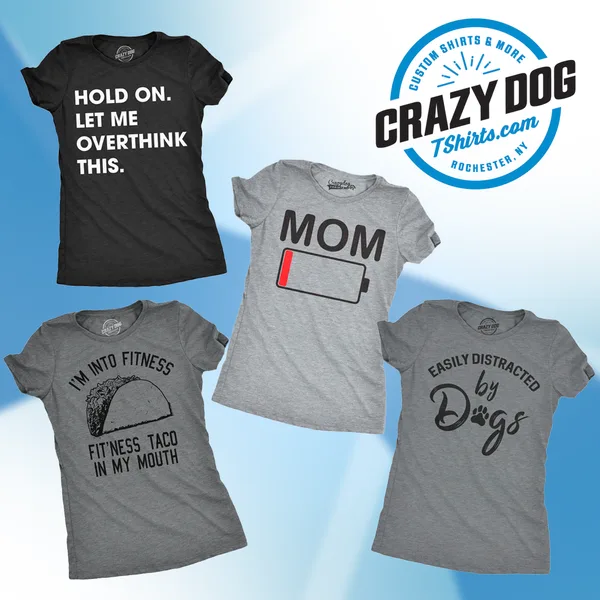
“HOLD ON. LET ME OVERTHINK THIS.”
Why it works
Four gray and black tees fan out over a blue gradient, and their own slogans are the copy: "HOLD ON. LET ME OVERTHINK THIS." and "I'M INTO FITNESS FIT'NESS TACO IN MY MOUTH" among them. A graphic tee is bought for what it says, so the product and the message are the same object. A round seal at top right is the only added mark, and it names the shop.
Started 1 Apr 2026. Live when checked on 25 Oct 2026. View in Meta Ad Library ↗
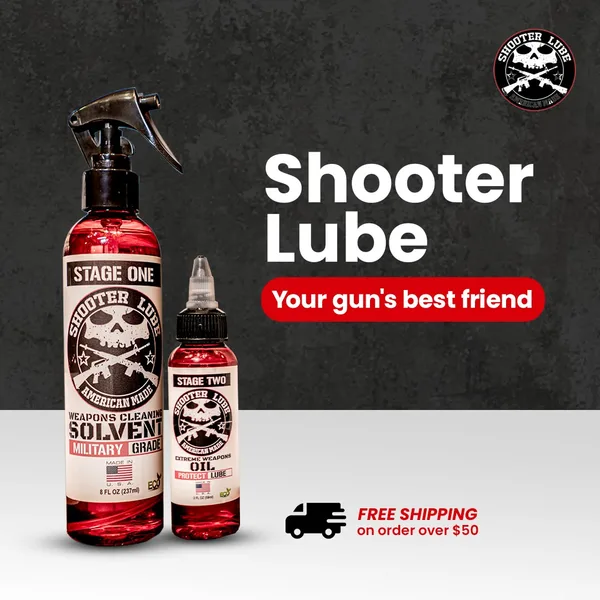
“Your gun's best friend”
Why it works
Two bottles stand on the left of a split frame, dark textured wall above and white floor below, with the brand name in large white type and a red pill carrying "Your gun's best friend". A truck icon and the free-shipping line sit bottom right. Because the labels already say "AMERICAN MADE" and "MILITARY GRADE", the packaging makes the claims and the frame needs only a name, a tagline and a perk.
Started 5 May 2026. Live when checked on 25 Oct 2026. View in Meta Ad Library ↗
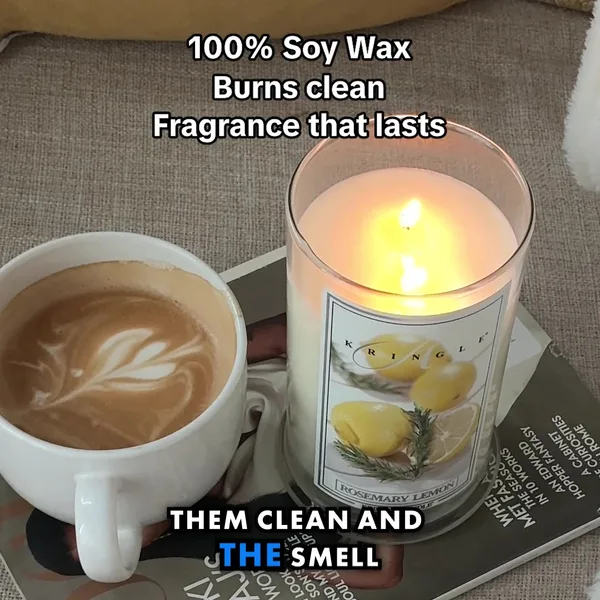
“Fragrance that lasts”
Why it works
A lit candle stands beside a latte on a magazine, with three benefit lines in white type across the top: "100% Soy Wax", "Burns clean" and "Fragrance that lasts". A caption bar styled like video subtitles runs along the bottom. Scent cannot travel through a screen, so the photo shows the warm moment it belongs to and the lines make the case for what the viewer cannot smell.
Started 30 Jun 2026. Live when checked on 25 Oct 2026. View in Meta Ad Library ↗
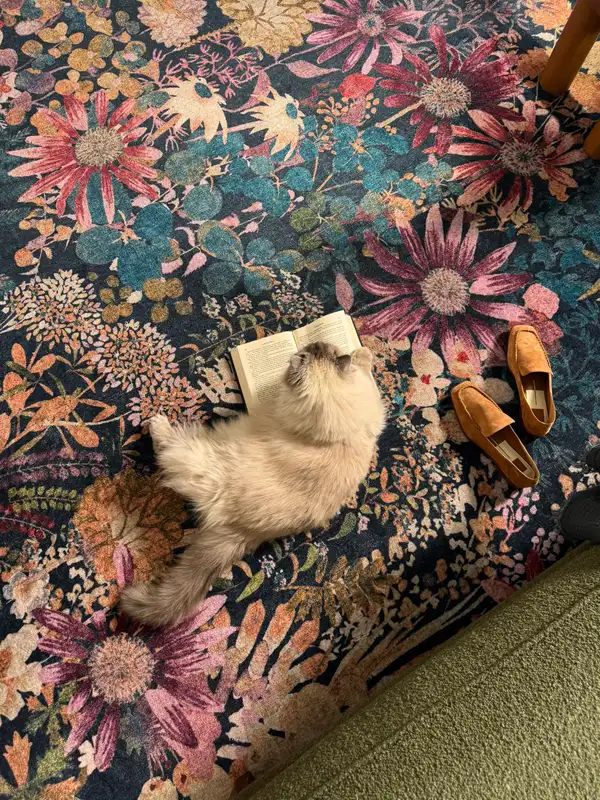
“Liberty: A Proper Classic, Newly Arrived”
Why it works
A top-down photo of a floral rug fills the whole frame, with a cat lying on an open book and a pair of tan loafers at the edge. No text sits on the picture at all. Since the rug is the pattern, the photo works as a product page by itself, and the headline and body, which name the Liberty prints, carry everything else.
Started 14 Jul 2026. Live when checked on 25 Oct 2026. View in Meta Ad Library ↗
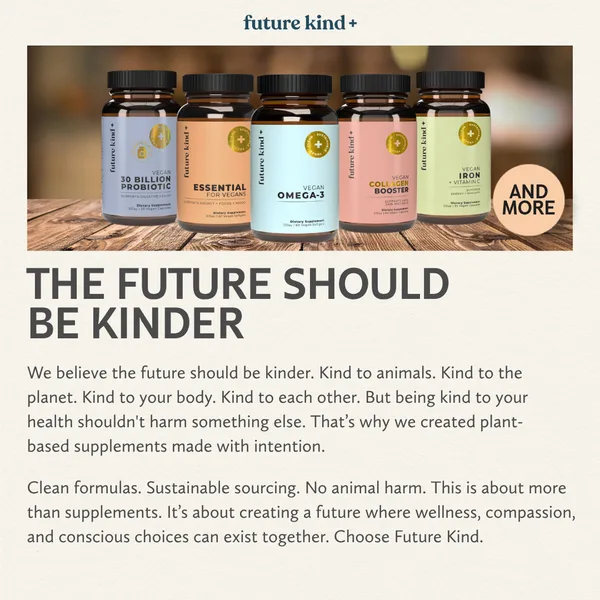
“THE FUTURE SHOULD BE KINDER”
Why it works
A row of supplement bottles on a wooden shelf fills the top third, with an "AND MORE" badge at the edge, and the rest of the frame is a headline and two paragraphs of brand values. This is the text-heavy end of the set. A reader can take in a mission statement at their own pace, and the bottles above name the range it speaks for.
Started 15 Jul 2026. Live when checked on 25 Oct 2026. View in Meta Ad Library ↗
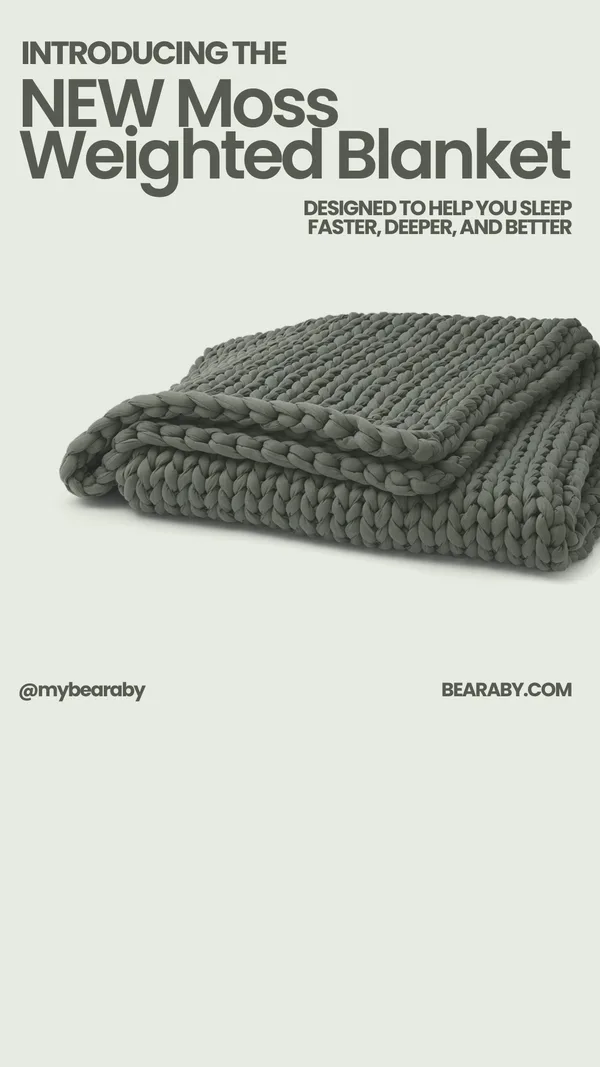
“Weighted Blankets for Better Sleep”
Why it works
A chunky knit blanket lies folded in the middle of a tall, pale green frame, under "INTRODUCING THE NEW MOSS Weighted Blanket" and above a wide band of empty space. Weight and warmth cannot be seen, so the picture shows texture, which a photo can prove. Small type, "DESIGNED TO HELP YOU SLEEP FASTER, DEEPER, AND BETTER", and the handle at the foot do the rest.
Started 16 Jul 2026. Live when checked on 25 Oct 2026. View in Meta Ad Library ↗
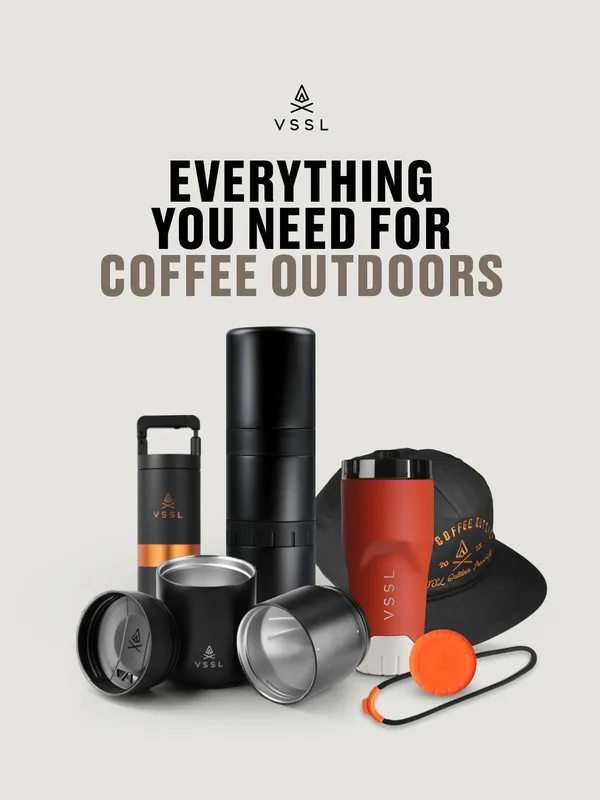
“EVERYTHING YOU NEED FOR COFFEE OUTDOORS”
Why it works
A neutral studio shot lays out a grinder, a brewing system, a red tumbler, a hat and insulated cups beneath a three-line black and gray headline. The headline names the use, coffee outdoors, and the pile of products proves the range is complete. For a gear kit, one frame can lay out the whole set at once.
Started 21 Jul 2026. Live when checked on 25 Oct 2026. View in Meta Ad Library ↗
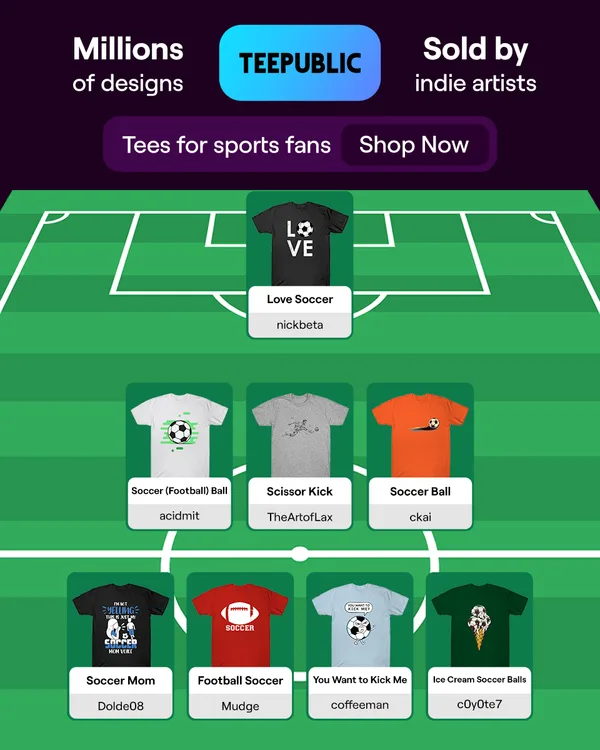
“Thousands of original soccer tees”
Why it works
Product cards line up on a green pitch in a tactical formation, each with a tee, a design name and an artist handle, under a purple bar that reads "Millions of designs" and "Sold by indie artists". Laid out this way, a catalog becomes a team sheet for soccer fans, so the picture itself tells the buyer the range was made for them.
Started 24 Jul 2026. Live when checked on 25 Oct 2026. View in Meta Ad Library ↗
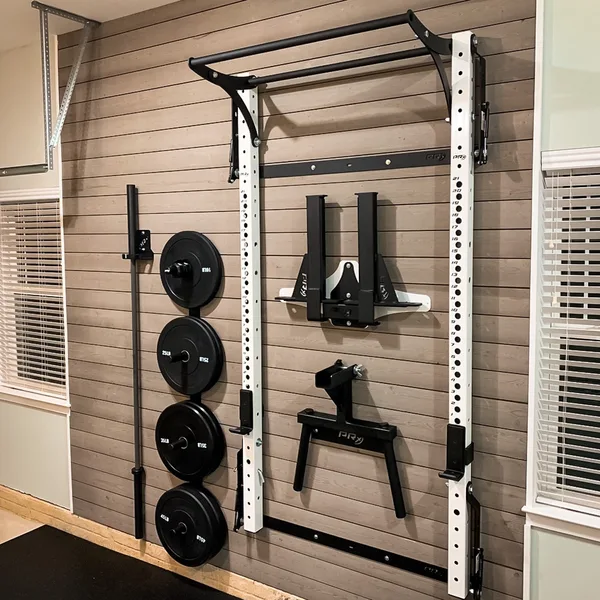
“If There's a Wall, There's a Way”
Why it works
A wall-mounted rack stands against wooden slat paneling, with plates and a bar stored beside it and an attachment hung within reach. No text sits on the picture. A home-gym buyer's objection is space, and the photo answers it by showing the rack flat to the wall in a real room, with the headline carrying the line.
Started 28 Jul 2026. Live when checked on 25 Oct 2026. View in Meta Ad Library ↗
Price and gift take the first read · 7
Price and gift lines get the biggest type in the frame, as in Shinesty's $10 repeated top and bottom and Misen's free shears. A still has no last second to save the deal for, so the offer takes the first read.
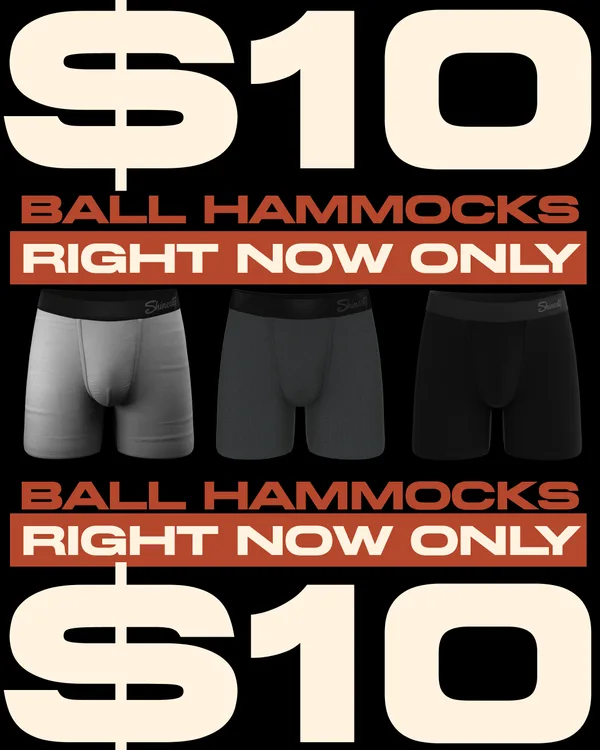
“$10 BALL HAMMOCKS RIGHT NOW ONLY”
Why it works
Price type runs across the top and bottom of a black frame, with a rust-red "BALL HAMMOCKS RIGHT NOW ONLY" banner repeated above and below a row of three boxer briefs in gray and black. The mirrored halves mean the offer reads the same wherever a viewer's eye lands. Nothing else competes: no person, no scene, only the price and the product. Claiming the deal takes one link, and the body says so: "THIS DEAL ONLY WORKS WITH THIS LINK".
Started 7 Apr 2026. Live when checked on 25 Oct 2026. View in Meta Ad Library ↗

“15% Off First Subscription”
Why it works
A ring of tubs, cartons and bottles circles a pale blue square, each on its own pale circle, with "Subscribe and Save" at the center. The ring does a catalog's job for a range that spans kids' shakes, collagen and organic protein, while the middle states the deal: "15% Off Subscriptions" and "FREE Shipping on All Recurring Orders". One frame sells the habit of reordering instead of a single flavor.
Started 14 May 2026. Live when checked on 25 Oct 2026. View in Meta Ad Library ↗
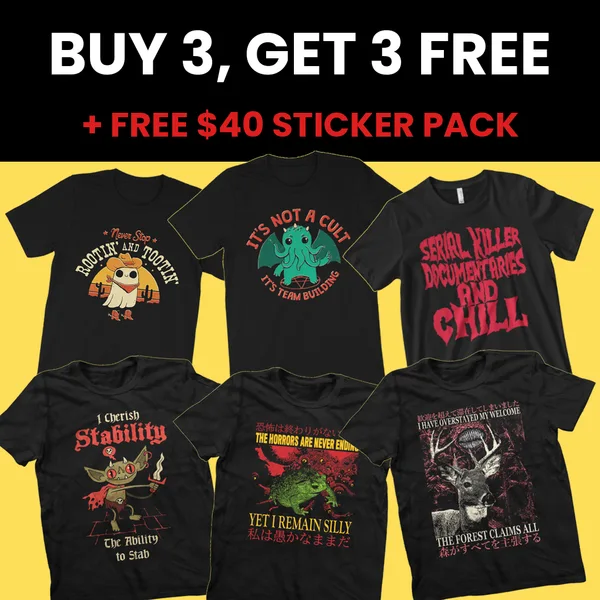
“Buy 3, Get 3 FREE”
Why it works
A black banner reading "BUY 3, GET 3 FREE" and a red "+ FREE $40 STICKER PACK" line sit over a grid of black tees on yellow. The grid shows the range and the offer together, and the slogans printed on the shirts give the humor without a caption. Only the body copy finishes the sum: 6 shirts for $99.
Started 27 May 2026. Live when checked on 25 Oct 2026. View in Meta Ad Library ↗
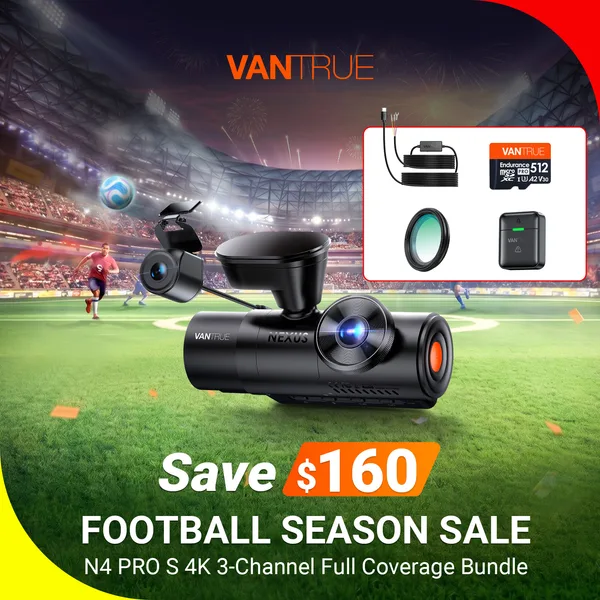
“Save $160 FOOTBALL SEASON SALE”
Why it works
A dashcam hovers over a stadium pitch, an inset card of add-ons sits at upper right, and an orange "Save $160" tag leads the sale line along the bottom. Dressing the sale in a football theme gives the discount a reason, which a bare price cut lacks, and the inset card shows what the bundle adds: cables, a memory card and other accessories.
Started 11 Jun 2026. Live when checked on 25 Oct 2026. View in Meta Ad Library ↗
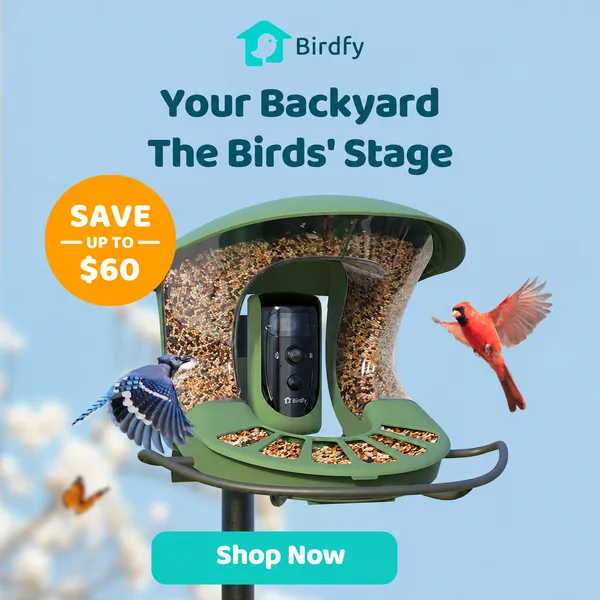
“Your Backyard The Birds' Stage”
Why it works
A green feeder with a camera tucked into it stands center on a pale sky, a blue jay and a cardinal flying in on either side, and an orange sticker marks savings of up to $60 at left. A teal "Shop Now" button is drawn into the bottom of the picture. Birds in flight show the whole promise, wildlife close to a lens, with no explanation needed.
Started 8 Jul 2026. Live when checked on 25 Oct 2026. View in Meta Ad Library ↗
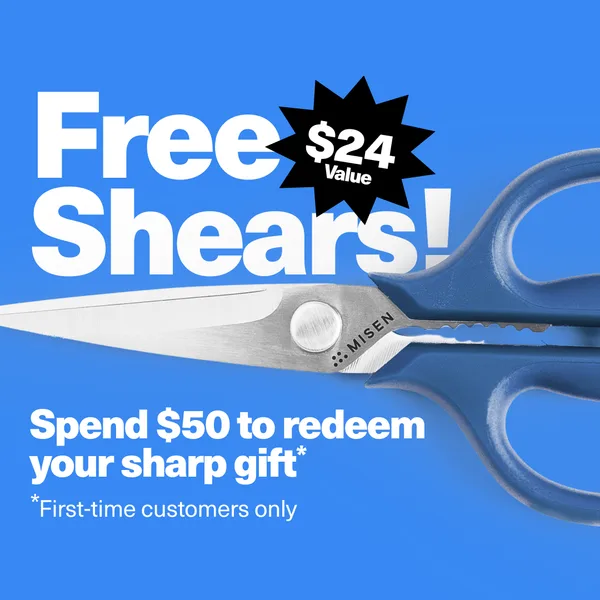
“Free Shears With Your First Order”
Why it works
Big white type spells out "Free Shears" beside a black starburst reading "$24 Value", over a blue square that a pair of blue-handled shears cuts straight across. The terms sit in the same frame: "Spend $50 to redeem your sharp gift*" and "*First-time customers only". With the product as the offer, the shears only need to be drawn at scale.
Started 10 Jul 2026. Live when checked on 25 Oct 2026. View in Meta Ad Library ↗
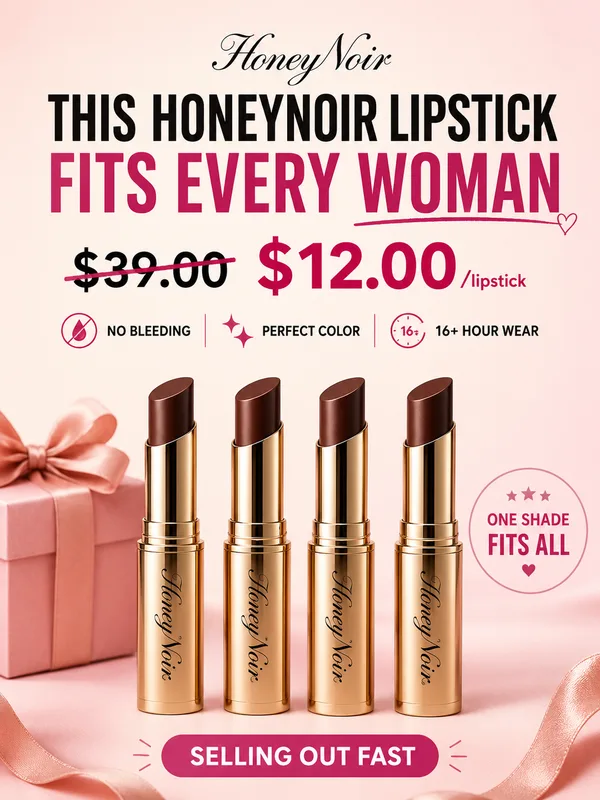
“THIS HONEYNOIR LIPSTICK FITS EVERY WOMAN”
Why it works
On a pink frame a bold headline sits above a struck-through $39.00 and a $12.00 price per lipstick, then three icon claims: "NO BLEEDING", "PERFECT COLOR" and "16+ HOUR WEAR". Gold tubes stand in a row beside a gift box, and a round "ONE SHADE FITS ALL" badge sits at right. With no way to swatch a shade, the headline and the badge settle it in type.
Started 13 Jul 2026. Live when checked on 25 Oct 2026. View in Meta Ad Library ↗
Person and product in one frame · 7
Raycon renders its headset over people on a muddy trail, and Code Of Bell sets a man carrying the sling pack above a clean cutout of the bag. The person shows the setting and the cutout gives the product's full outline, two jobs a video would do in one moving shot.
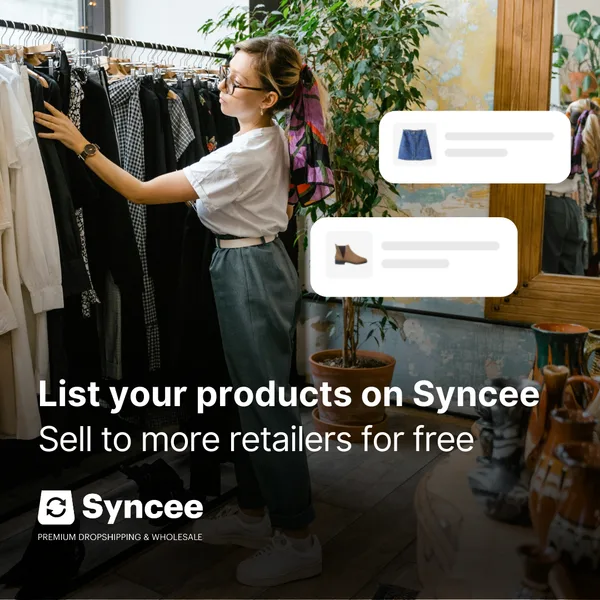
“List your products on Syncee”
Why it works
A store owner flicks through a clothing rack while a pair of white interface cards float beside her, one holding a skirt and one a boot. The cards stand in for a screen recording: they show what the software holds without a demo. The headline gives the action, the sub-line says "Sell to more retailers for free", and the logo closes the stack. Together they let a seller read the whole offer in one pass.
Started 13 Aug 2025. Live when checked on 25 Oct 2026. View in Meta Ad Library ↗
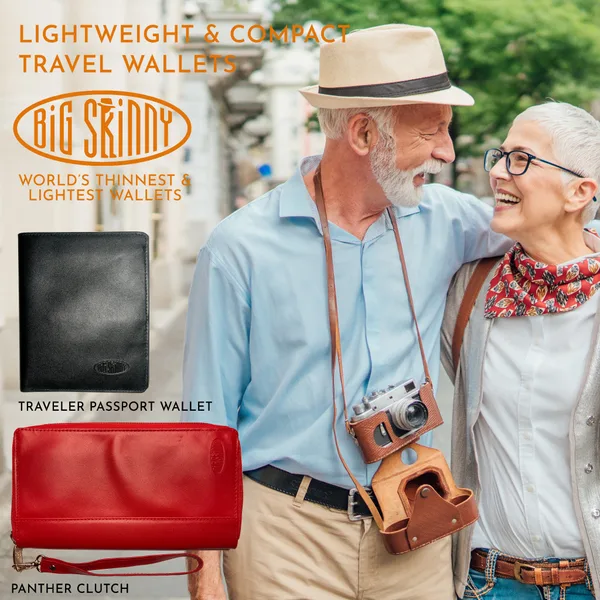
“So thin, pickpockets won't find it”
Why it works
A smiling older couple fills the right side of the frame, while a black passport wallet and a red clutch stack on the left under the orange logo. Thinness is the claim and a flat photo cannot prove it, so the frame leans on the words "LIGHTWEIGHT & COMPACT" and on the travelers, who show who the wallet is for. Its pickpocket headline supplies the size.
Started 12 Feb 2026. Live when checked on 25 Oct 2026. View in Meta Ad Library ↗
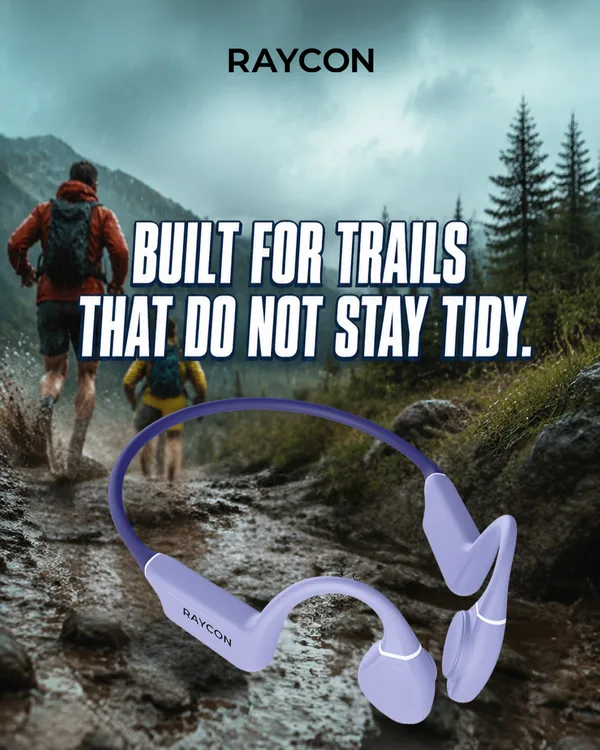
“BUILT FOR TRAILS THAT DO NOT STAY TIDY.”
Why it works
A muddy trail under a stormy sky, two people running through it, a lavender headset rendered over the path in the lower half. Bone conduction is hard to explain in a still, so the picture sells the conditions instead: gear for a mess. Open acoustic design, battery life and water resistance wait in the body copy, which lists "IP68 Water Resistant".
Started 29 Jun 2026. Live when checked on 25 Oct 2026. View in Meta Ad Library ↗
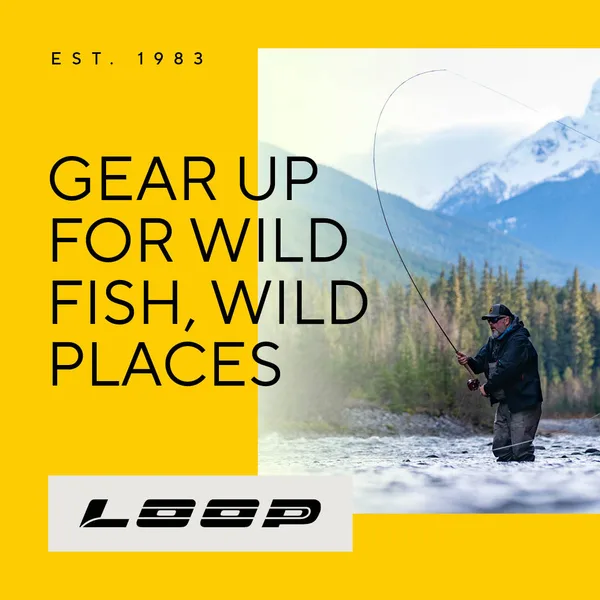
“GEAR UP FOR WILD FISH, WILD PLACES”
Why it works
A yellow block on the left and a photo of an angler casting in a river valley on the right are joined by a headline that crosses the seam. A rod bending against mountains shows what the gear is for without a single product in view. With the logo bottom left on a pale tag, the whole frame reads as a brand before it reads as a sale.
Started 17 Jul 2026. Live when checked on 25 Oct 2026. View in Meta Ad Library ↗
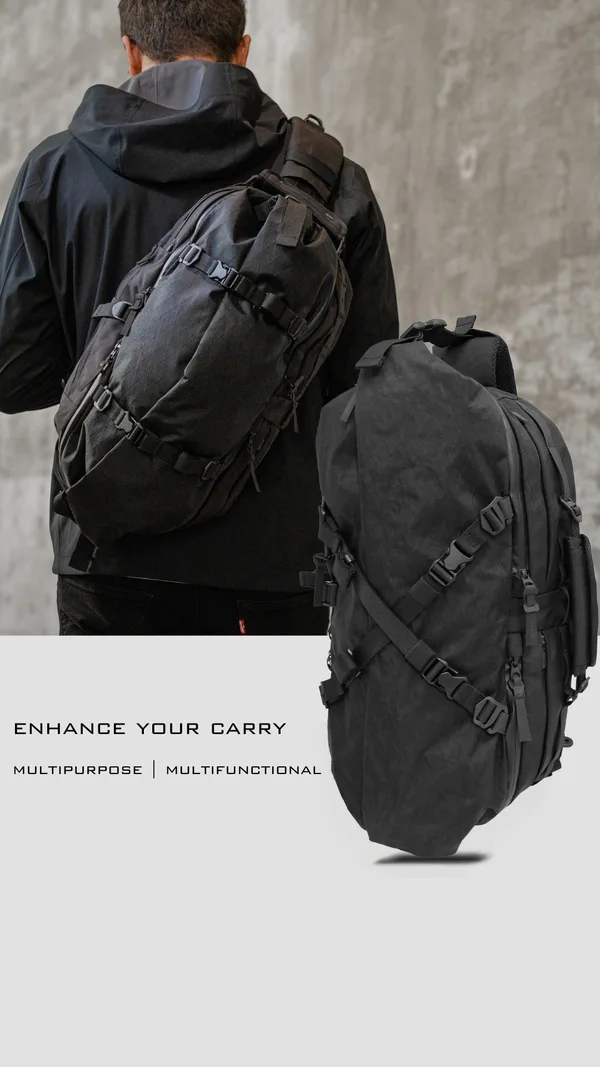
“Versatile Sling Pack”
Why it works
The top half shows a man from behind with a black sling pack across his back against a concrete wall, and the bottom half sets a cutout of a larger black pack on pale gray. "ENHANCE YOUR CARRY" and "MULTIPURPOSE | MULTIFUNCTIONAL" sit at lower left. A black bag is hard to read on a body, so the cutout gives its outline in full.
Started 18 Jul 2026. Live when checked on 25 Oct 2026. View in Meta Ad Library ↗
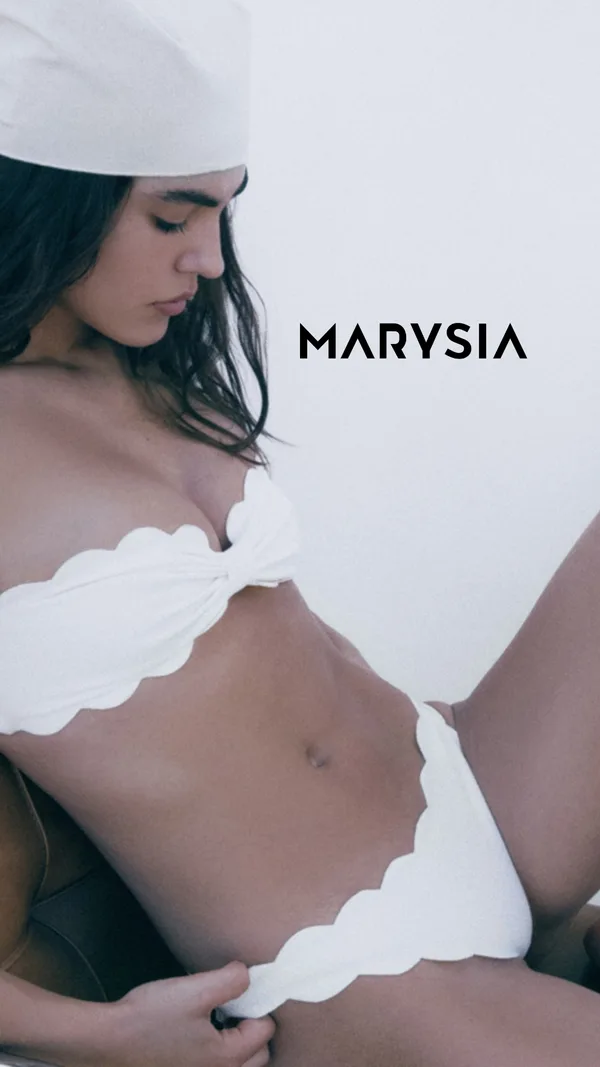
“CLASSIC FOR A REASON”
Why it works
A model in a white scalloped bikini and a white cap fills the left of a white frame, with only the Marysia wordmark in the empty space at right. There is no price, offer or feature on the picture. The scalloped edge is the detail the eye catches, and the body calls these "Signature silhouettes". Held in a close crop, the edge has time to register.
Started 23 Jul 2026. Live when checked on 25 Oct 2026. View in Meta Ad Library ↗
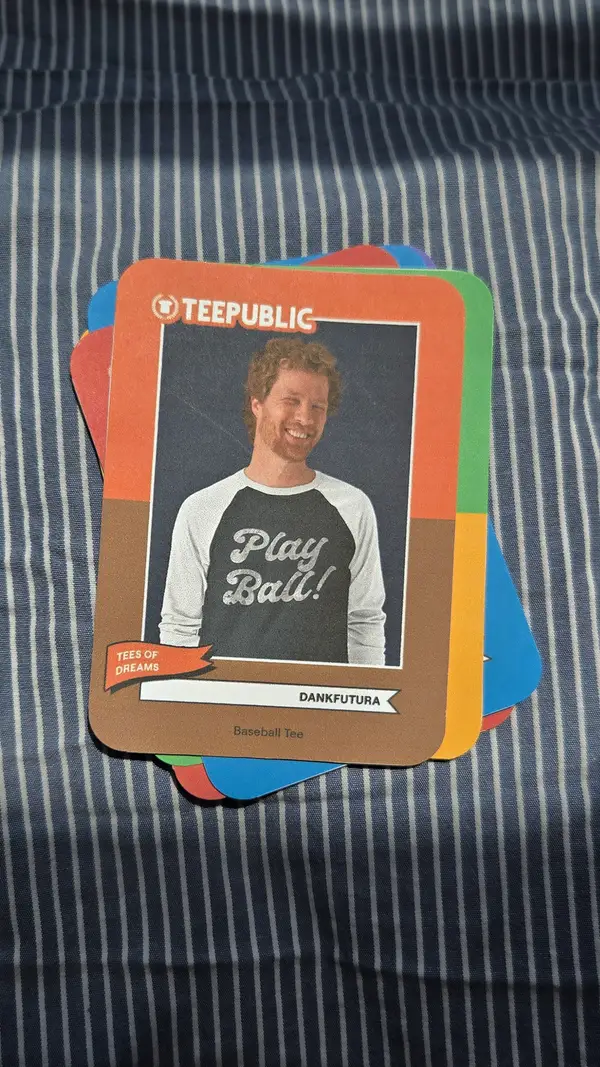
“Thousands of original baseball tees”
Why it works
A fan of vintage-style baseball cards lies across a striped cloth, and the top card shows a smiling model in a "Play Ball" raglan with the artist credit DANKFUTURA. Turning a catalog item into a collectible is the trick: a still can borrow the look of an object people already keep. Offer details live in the body: 15% off 5+ tees and free shipping over $70.
Started 24 Jul 2026. Live when checked on 25 Oct 2026. View in Meta Ad Library ↗
Mood in the frame, facts below · 4
GORUCK crops tight on an athlete wearing the vest with only the model name and logo, and Big Agnes shows a man in a camp chair with cucumber slices over his eyes. The picture sets the mood and the body copy carries the facts, which suits claims a photo cannot prove.
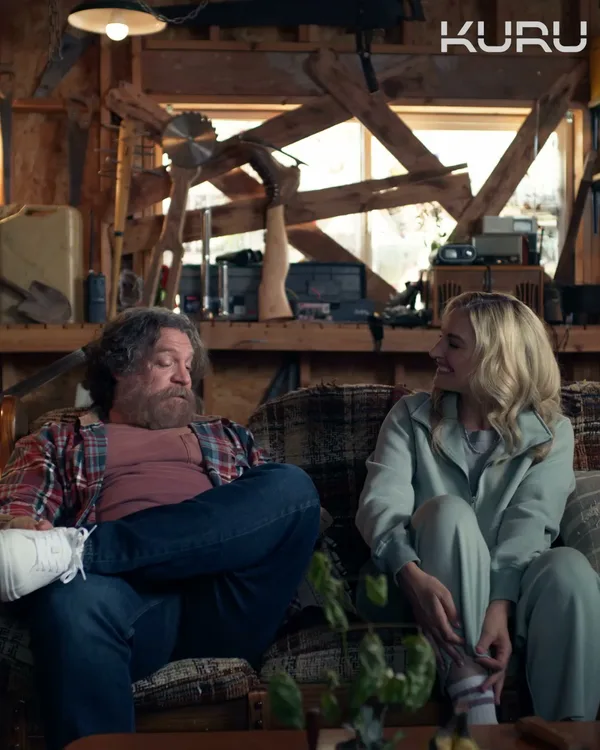
“Get Comfort in the Chaos”
Why it works
Two people sit on a worn plaid sofa in a cluttered workshop, one with a white shoe in view, and the only text on the picture is a small KURU logo. Comfort and heel pain cannot be seen, so the body does the proving: "50,000+ 5-Star Reviews", "Free Shipping" and "91-Day Returns & Exchanges". Here the picture earns the stop and the text carries the weight.
Started 6 Jul 2026. Live when checked on 25 Oct 2026. View in Meta Ad Library ↗
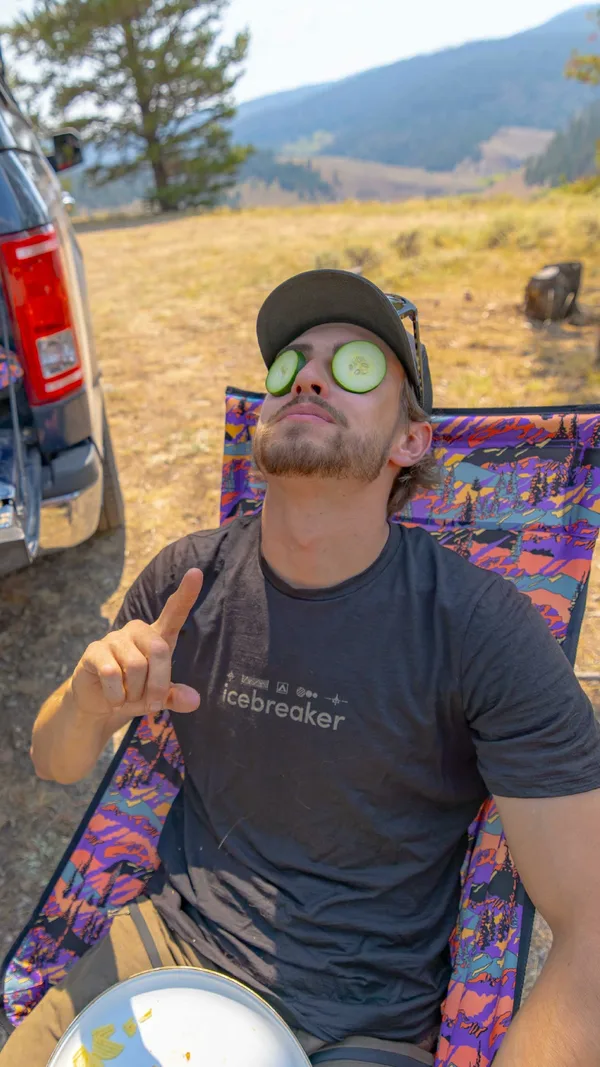
“Tested and trusted by expedition leaders”
Why it works
A man leans back in a camp chair with a cucumber slice over each eye, a pickup behind him and mountains beyond, one finger raised. The picture is a joke about a spa day at camp, so it asks for a smile before it asks for anything else. Every product fact, from the sleeping bag's weight to its fill, lives in the body copy.
Started 17 Jul 2026. Live when checked on 25 Oct 2026. View in Meta Ad Library ↗
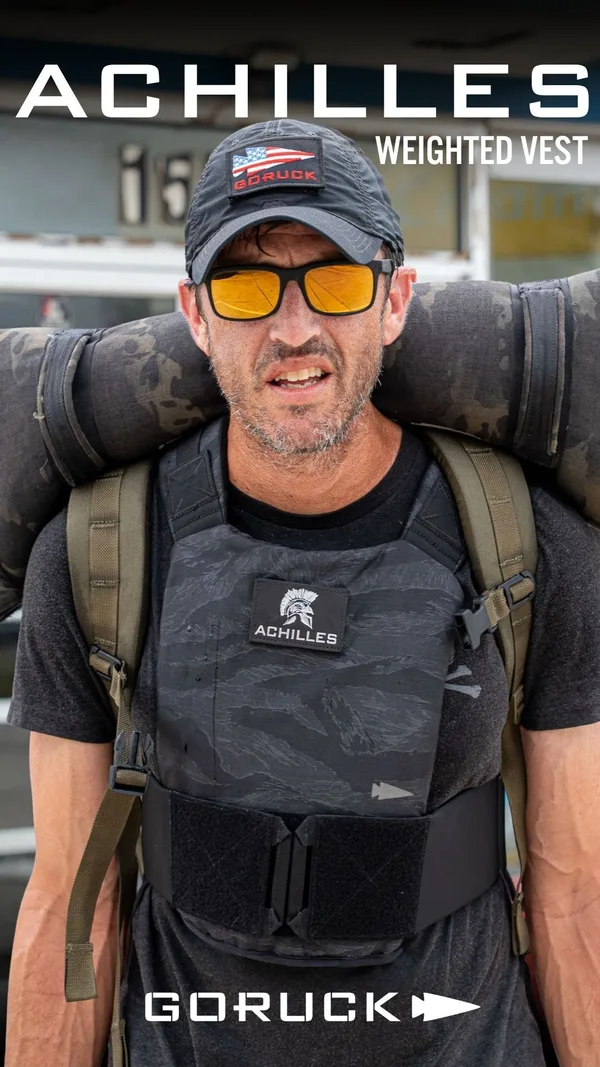
“Pre Weighted. Most Comfortable Vest.”
Why it works
A tight crop fills the frame with a man in yellow-lens glasses and a GORUCK cap, wearing the vest with a rolled pack behind his head. The type is minimal: ACHILLES across the top, WEIGHTED VEST in the corner, the logo at the foot. His squint and the load he carries show the vest holding weight, and the body copy adds that it "was designed to disappear once you put it on".
Started 21 Jul 2026. Live when checked on 25 Oct 2026. View in Meta Ad Library ↗
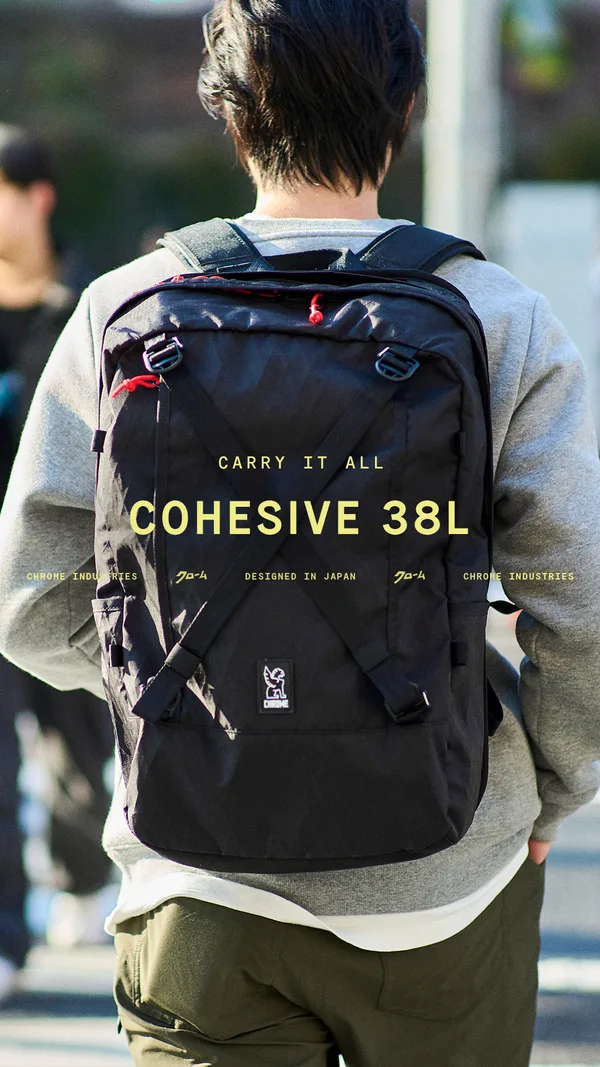
“CARRY IT ALL”
Why it works
A person seen from behind wears a black backpack on a city street, with "CARRY IT ALL" and "COHESIVE 38L" printed in yellow across the bag. Putting the text on the product itself makes the bag the poster. Size is the one spec on the picture, and the headline field adds "The World’s Most Durable Bags" for the durability claim a photo cannot make.
Started 24 Jul 2026. Live when checked on 25 Oct 2026. View in Meta Ad Library ↗
A spec grid, a review, a badge · 3
A still cannot show a result happening, so Bluetti prints how long its power station runs a TV, a microwave and a drill, and Finisterre prints a customer review with five stars over the sweatshirt it describes. Both put the proof where the eye already is.
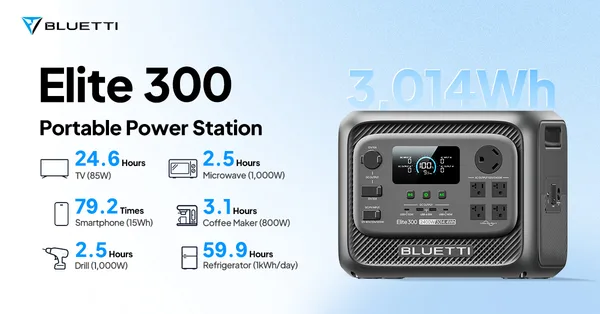
“Elite 300 Portable Power Station”
Why it works
The power station sits on the right under "3,014Wh" in pale blue, and the left holds a grid of icons that answers how long it will run everyday things: "24.6 Hours" of TV, "2.5 Hours" of microwave and "59.9 Hours" of refrigerator. Buyers can stop on the line that matches their own use, which a video would have to step through in order.
Started 24 Apr 2026. Live when checked on 25 Oct 2026. View in Meta Ad Library ↗
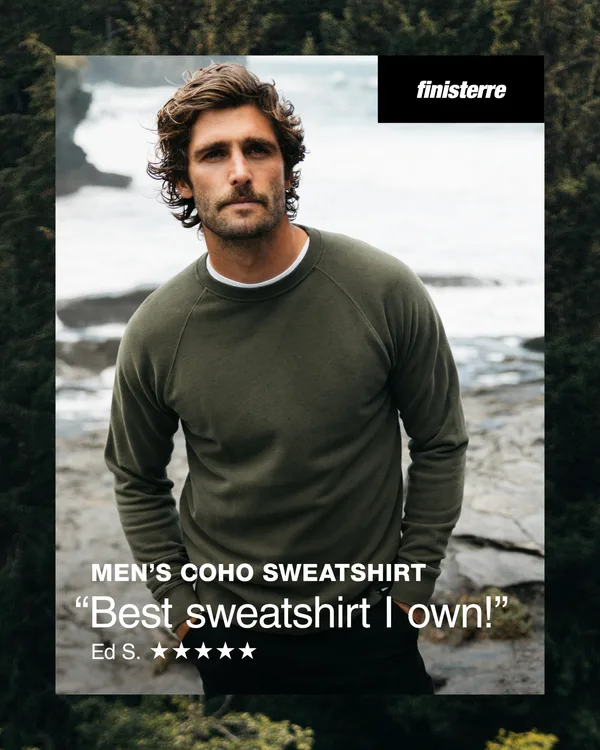
“Best sweatshirt I own”
Why it works
A model in an olive sweatshirt stands before a sea cliff inside a thin border, with a black brand block at top right. Across the lower torso run "MEN'S COHO SWEATSHIRT" and a customer line, "Best sweatshirt I own", signed Ed S. with five stars. Comfort in a garment cannot be shown in a photo, so the review is printed on the picture, over the cloth it describes.
Started 15 Jul 2026. Live when checked on 25 Oct 2026. View in Meta Ad Library ↗
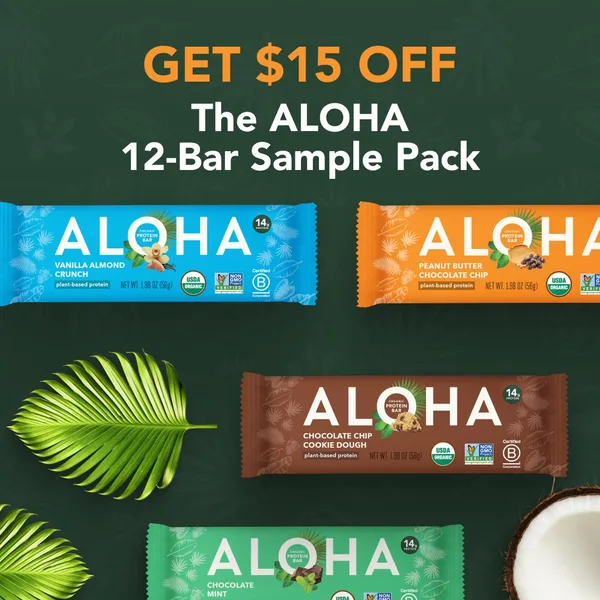
“GET $15 OFF The ALOHA 12-Bar Sample Pack”
Why it works
A dark green frame with palm leaves and half a coconut holds bar wrappers in blue, orange, brown and green under an orange and white headline. Proof for a food buyer is printed on the product itself: the wrappers carry the flavors plus the USDA Organic, Non-GMO and B Corp marks, under an offer placed on top.
Started 27 Jul 2026. Live when checked on 25 Oct 2026. View in Meta Ad Library ↗
The parts of the ad
- 01
Lifestyle scene. In 14 of 30 ads on this page.
- 02
Person. In 12 of 30 ads on this page.
- 03
Price or offer. In 8 of 30 ads on this page.
- 04
Packaging. In 5 of 30 ads on this page.
- 05
Discount badge. In 4 of 30 ads on this page.
Single-frame headlines to fill in
Lifted from the ads above. Swap in your own product.
- 01Free [product] with your first orderMisen, “Free Shears With Your First Order”, 107 days
- 02Best [product] I own, [first name and initial]Finisterre, “Best sweatshirt I own”, 102 days
- 03Built for [conditions] that do not stay [tidy]Raycon, “BUILT FOR TRAILS THAT DO NOT STAY TIDY.”, 118 days
- 04Everything you need for [activity] [place]VSSL, “EVERYTHING YOU NEED FOR COFFEE OUTDOORS”, 96 days
Getting product, reason and offer into one glance
- Pick one lead for the frameDecide whether the product, the offer or a real moment goes first, as these ads do, and let everything else shrink.
- Print proof the picture can't showWhere the result cannot be seen, put the spec grid, the review or the certification marks on the frame, as Bluetti, Finisterre and ALOHA do.
- Print terms beside the offerPut the condition next to any free or discounted line, the way Misen sets its spend threshold and first-order limit under its headline.
- Move unprovable claims to the bodyComfort, battery life and sleep cannot be shown in a photo, so KURU and Raycon let the picture set the scene and the text carry the claim.
- Test the frame without its captionCover the headline and the body text, and if the picture alone no longer says what is sold, move the product or the lead line up.
- Check sizes on the specs pageTake the frame sizes and Safe Zones from the Meta ad specs page, then place the lead line inside them.
Sizes and Safe Zones are on our Instagram Safe Zone checker page.
What a still cannot show
Comfort. KURU's picture is two people on a sofa with no product claim, and the body carries "Built for Heel Pain Relief", "50,000+ 5-Star Reviews" and "91-Day Returns & Exchanges".
Sound and endurance. Raycon shows a headset over a muddy trail, and the body lists "13 Hours of Battery Life" and "IP68 Water Resistant" that no still can demonstrate.
Sleep. Bearaby shows a folded knit blanket, the one property of a weighted blanket a photo can prove, and leaves the benefit to the line "DESIGNED TO HELP YOU SLEEP FASTER, DEEPER, AND BETTER".
How much the frame carries
Nothing. Ruggable and PRx Performance print no text on the picture, so the photo does the selling and the headline and body do the explaining.
A name and a line. GORUCK sets ACHILLES and WEIGHTED VEST over a tight crop of the athlete, and Chrome Industries prints "CARRY IT ALL" and "COHESIVE 38L" across the bag.
A grid to read at your own pace. Bluetti prints a runtime for each appliance beside the power station, a lookup a viewer can scan once and take what they need from.
A whole paragraph. FUTURE KIND sets a headline and two paragraphs of brand values under a row of bottles, one of the wordiest frames in the set.
Static or video: questions to settle first
What does "static" mean in marketing?
A static ad is a single still image with no motion, sound or sequence, so the whole message has to sit in one frame. Every ad on this page is one still image, and 21 of the 30 ran as dynamic creative image ads, where Meta mixes an advertiser's images, headlines and text.
When does a static ad fit better than a video?
A static ad fits when the product explains itself at a glance or the offer is the story, and a video fits when the product has to be shown working. More than half of these 30 ads lead with the product or the offer, as Ruggable and Misen do, and the claims a picture cannot prove move into the body copy.
Can a static ad work with no text on it?
Yes, when the product explains itself at a glance. Ruggable and PRx Performance print no text on the picture at all and leave the explaining to the headline and body, while Marysia and KURU add only a logo.
Should the offer go on the image or in the copy?
Put the headline offer on the image with its main condition beside it, and keep the long version in the body copy. Misen prints its $50 threshold and first-order limit on the frame, while Wicked Clothes states "6 shirts for $99" in its body.
What are the different types of ads?
On Meta, ads come as still images, video, carousels and collections, and the still image splits again by approach. This page groups its 30 stills into five: product-first, offer-first, person and product together, a real moment, and proof printed on the picture.
Make static ads like these
A still frame gets one chance to lead, so paste your client's website or your own and see whether the product, the offer or a real moment suits it best.
How we pick ads. We search Meta's public Ad Library for ads from DTC brands that sell to US and UK shoppers, keep ads running 14 days or more, skip catalogue ads, and show at most 3 per brand. Days running is a spend signal: brands rarely keep paying for an ad that doesn't sell. Day counts are as of the check date above. Breakdowns are written by Gimme Gimme's ad analysis engine from each ad's image and copy, and edited by Josh Jackson, founder. Not affiliated with the brands shown; ads appear for commentary and analysis. To have an ad removed, email hello@getgimmegimme.com and we'll take it down within 7 days.